Does Landscape Lighting Need ESA Notification in Ontario?
Most electrical work in Ontario has to be reported to the Electrical Safety Authority before it starts, and anyone you hire for it must be a Licensed Electrical Contractor. ESA’s bulletin on Class 2 low-voltage wiring exempts some low-voltage work from notification, but not installations that include light fixtures, so plan on a notification for a landscape lighting system, handled by licensed professionals. Low-voltage lighting also needs an isolating transformer, and outdoor 120 V outlets need Class A GFCI protection.
Outdoor Lighting Fixtures Compared
| Fixture |
Typical use |
Placement tip |
| Path light |
Walkways and garden edges |
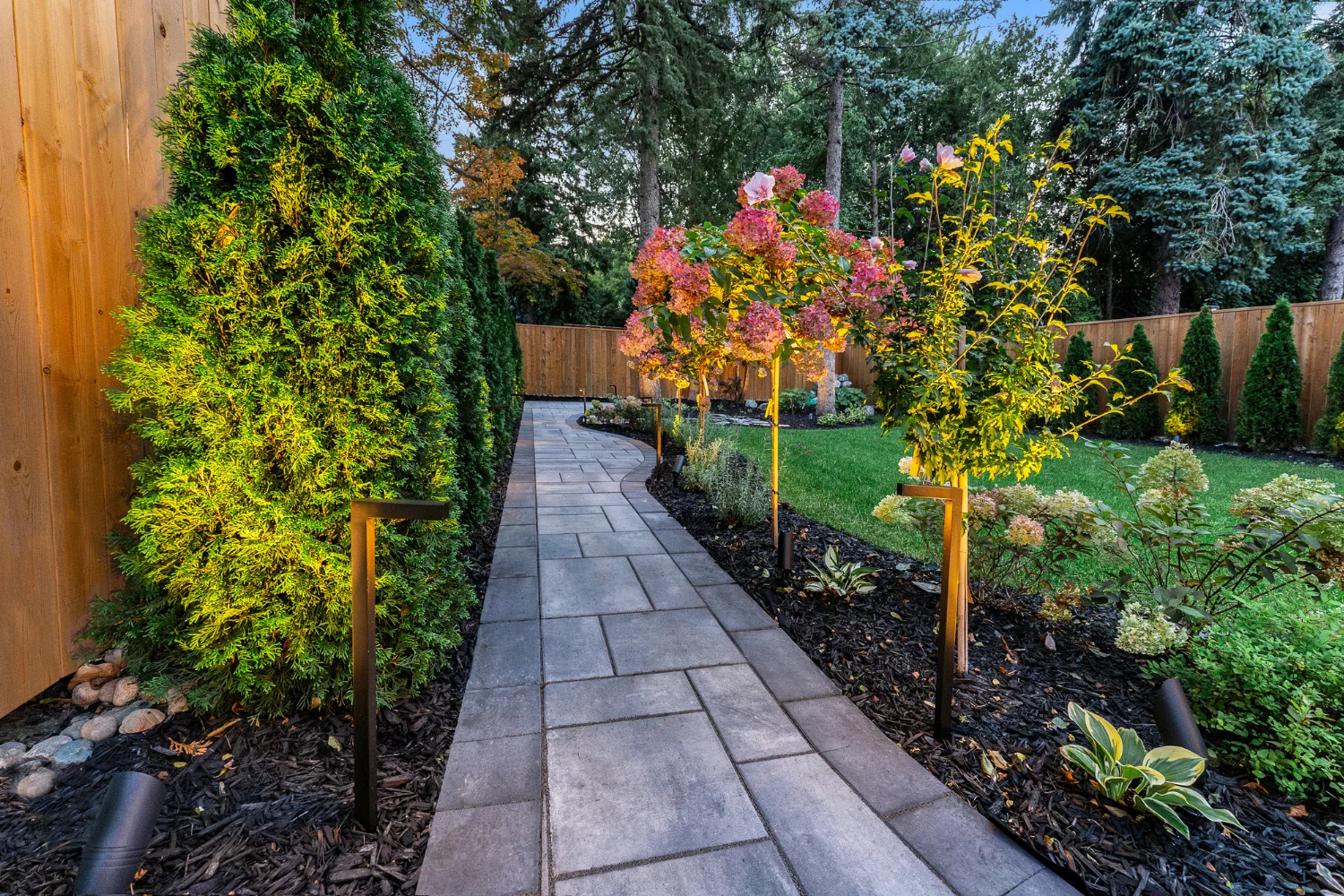
Stagger along one side instead of lining both sides of the path |
| Step light |
Stairs, landings and deck risers |
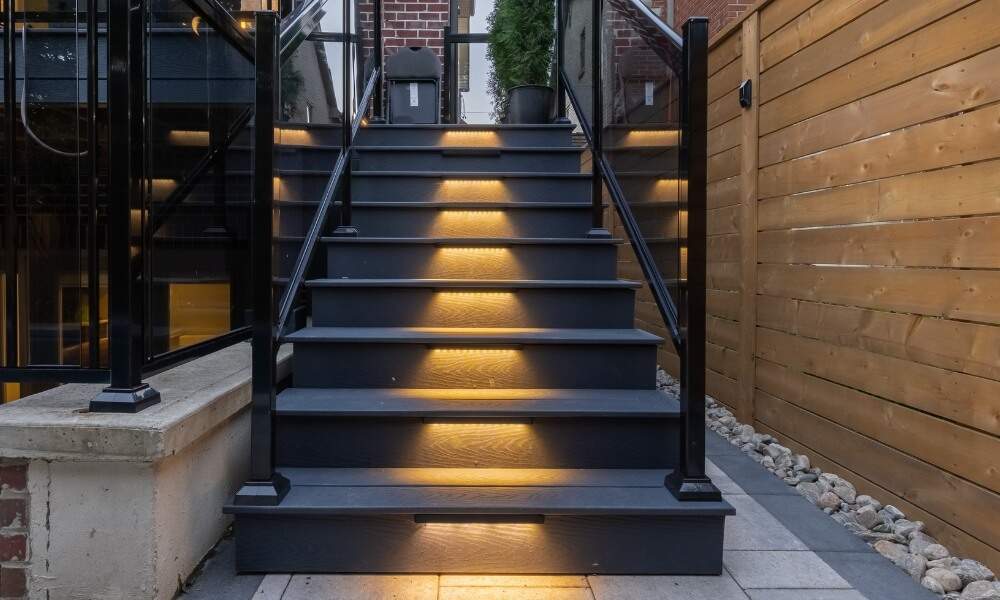
Set into risers or side walls so each tread is lit |
| Spotlight or uplight |
Trees, columns and stone walls |
Aim from a low angle, in front of the feature |
| Well light |
Uplighting from grade |
Recess flush in lawn or paving to stay clear of mowers and shovels |
| Wall washer |
Facades and retaining walls |
Keep it back from the wall for an even spread |
| Underwater light |
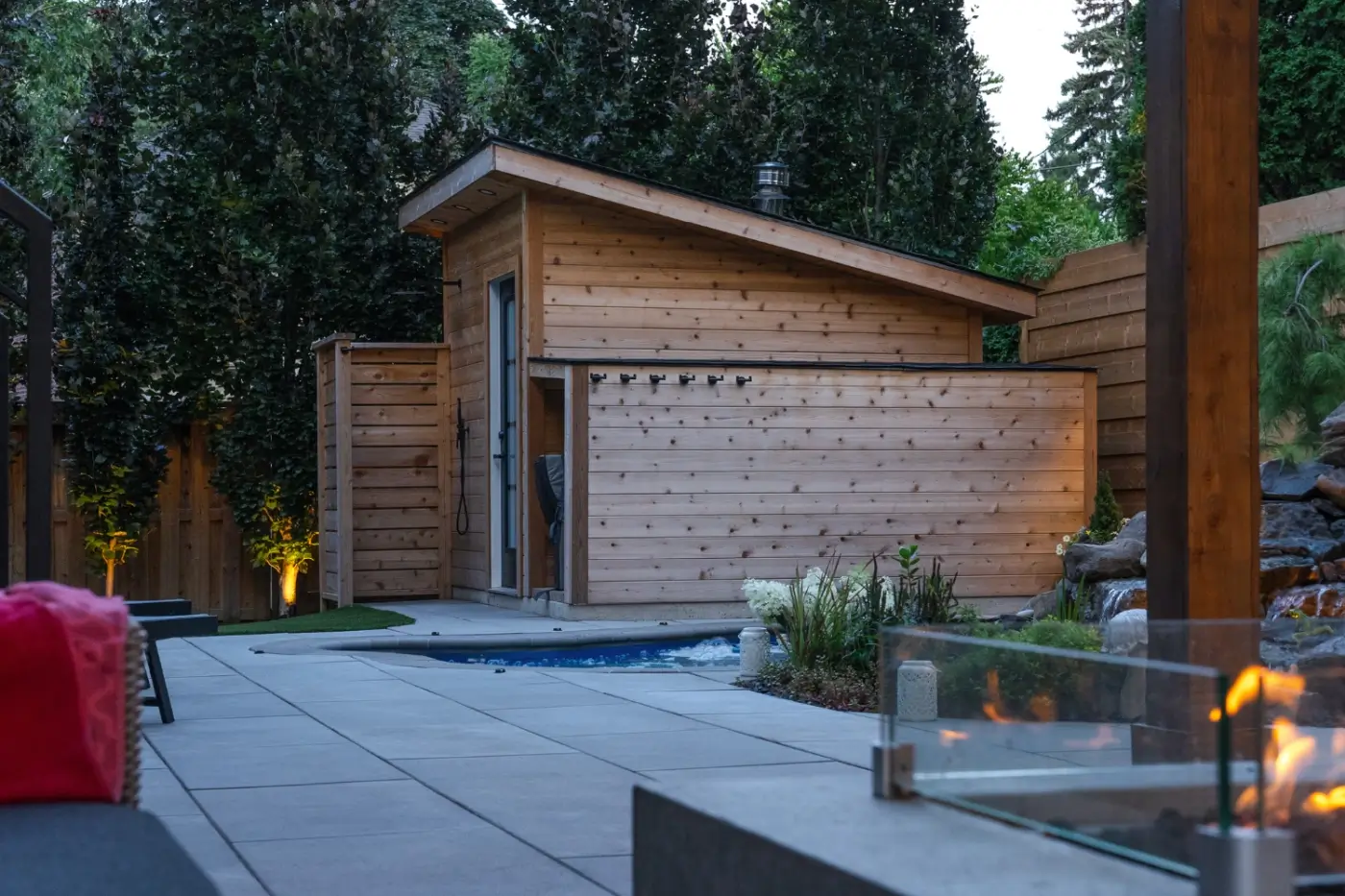
Pools, spas and water features |
LED, installed with the pool equipment |
Fixtures themselves typically cost $50 to $200 each, which is part of the installed price per light.
Controls: Timers, Photocells and Smart Hubs
A photocell turns the lights on at dusk, and an astronomical timer adjusts to changing sunset times through the year. A smart hub adds app control and separate lighting zones, so the front yard, patio and pool can run on different schedules and brightness levels.
Materials That Handle Salt and Frost
Brass and copper fixtures develop a patina instead of corroding, which matters beside salted walkways and driveways. Aluminum fixtures cost less but depend on a good powder coat, and they are better kept away from areas that get heavy salt spray from the street.
Seasonal Settings for Bird Migration
Lights Out Toronto asks residents to switch off unneeded exterior lights during spring migration, from mid-March to early June, and fall migration, from mid-August to early November. Zoned controls make that easy without leaving the steps and walkways dark.
How a Lighting Installation Runs
- Consultation: Our lighting professionals walk the property, ideally near dusk, and mark what needs light for safety and what deserves light for effect.
- Lighting schematic: Fixture types, positions, beam angles and zones are drawn to scale.
- Cable and transformer: Low-voltage cable is run in trenches or conduit and connected to a transformer sized for the full load.
- Fixtures and aiming: Fixtures are set and aimed after dark, when the effect can be judged properly.
- Controls: Timers, photocells or a smart hub are programmed, and we show you how to adjust them.
Transformer Sizing and Voltage Drop
A low-voltage system is only as good as its transformer and cable layout. The transformer should carry the total wattage of all fixtures with some capacity left for additions. Cable length matters too, because long runs lose voltage, which makes the far lights dimmer, so larger properties use heavier cable or several shorter runs from the transformer.
What Landscape Lighting Costs for a Typical Yard
A front yard with ten fixtures for the walkway, steps and two feature trees works out to roughly $1,750 to $3,000 at our per-light pricing. A larger backyard with patio, pool and garden lighting may need 20 or more fixtures, with the transformer and controls sized to match.
LED or Halogen?
LED fixtures use a fraction of the power of older halogen lamps, run much cooler and last far longer, which is why nearly every new system is LED. Replacing halogen lamps with LED in an existing system is often possible, although the transformer may need checking.
Where to Start on a Toronto Property
For most homes, the entrance comes first: the walkway, the front steps and the house number, because that is where people walk in the dark. Next comes the backyard patio or deck, where soft downlight from a pergola or wall keeps dinner lit without glare. Trees, stone walls and water features are the finishing layer, and uplighting them is what gives a property depth from the street and from inside the house. Planning all three zones at once keeps the fixture style and colour temperature consistent, even if the installation is phased.








 Request a Lighting Quote


 View Our Projects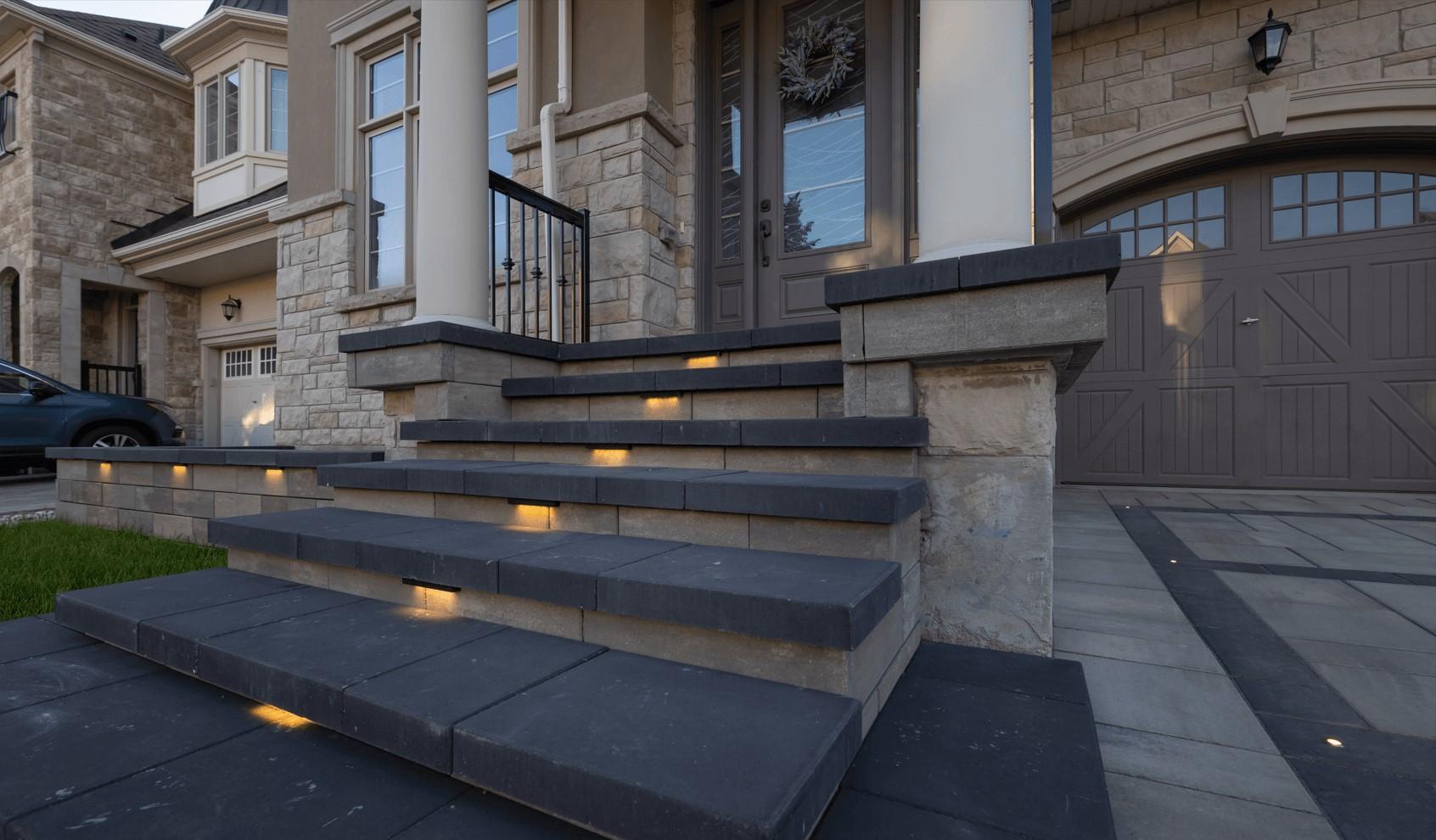


 (647) 937-1023